
Filter

Stauraumdeckel & Süllrandes

8 Produkte

Zeigt 1 - 8 von 8 Produkten

Zeigt 1 - 8 von 8 Produkten
Ansicht
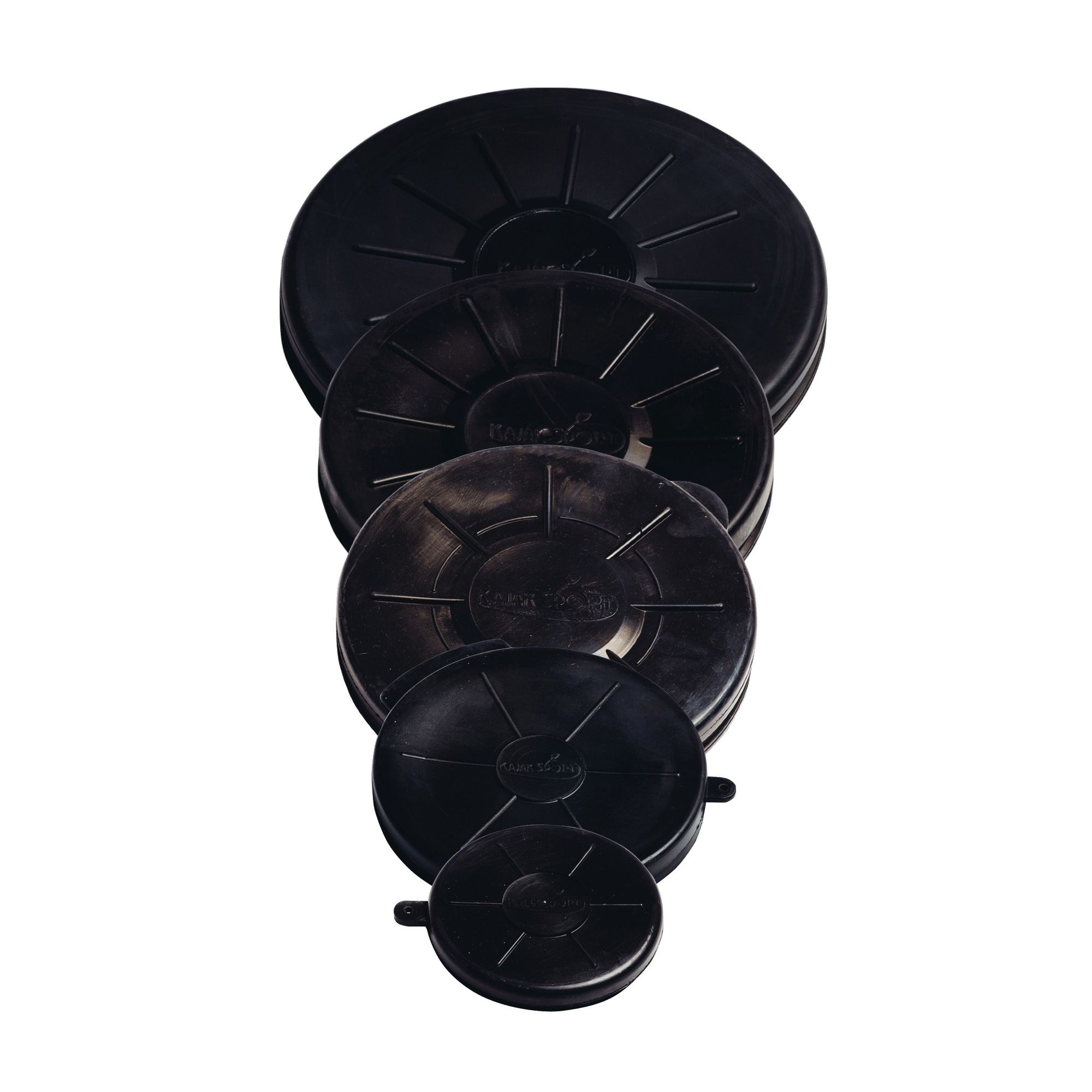
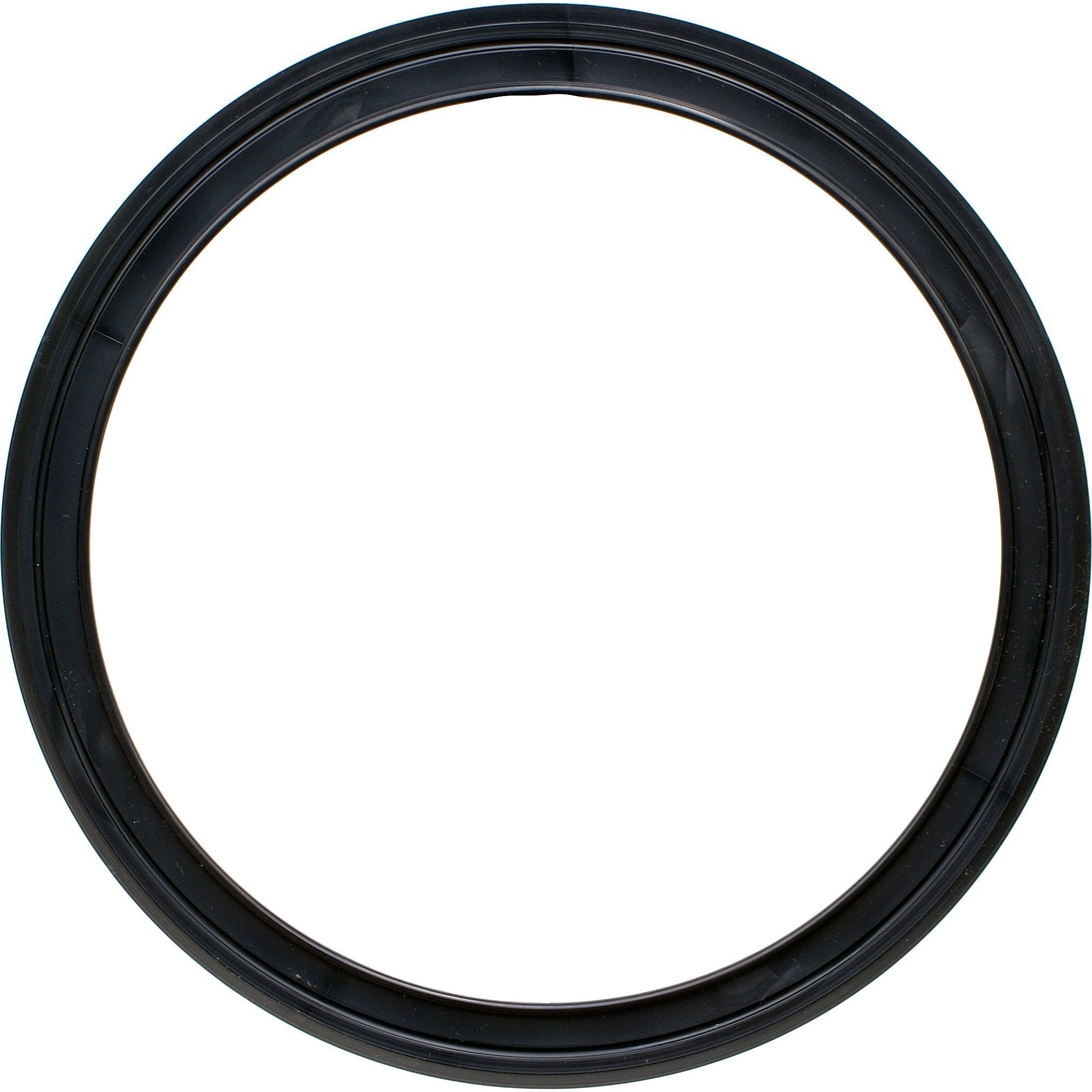
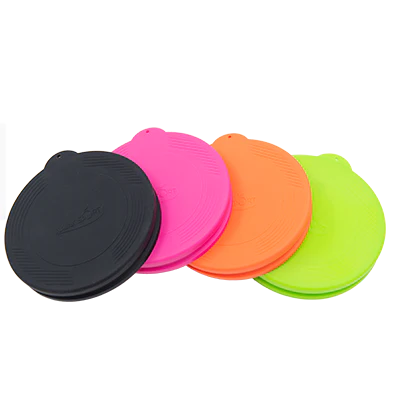
Kajaksport Stauraumdeckel, RundKajaksport Stauraumdeckel, Rund
Kajaksport Kajaksport Stauraumdeckel, Rund
Sonderpreisab €17,95 EUR
Auf Lager
Wähle Deine Optionen
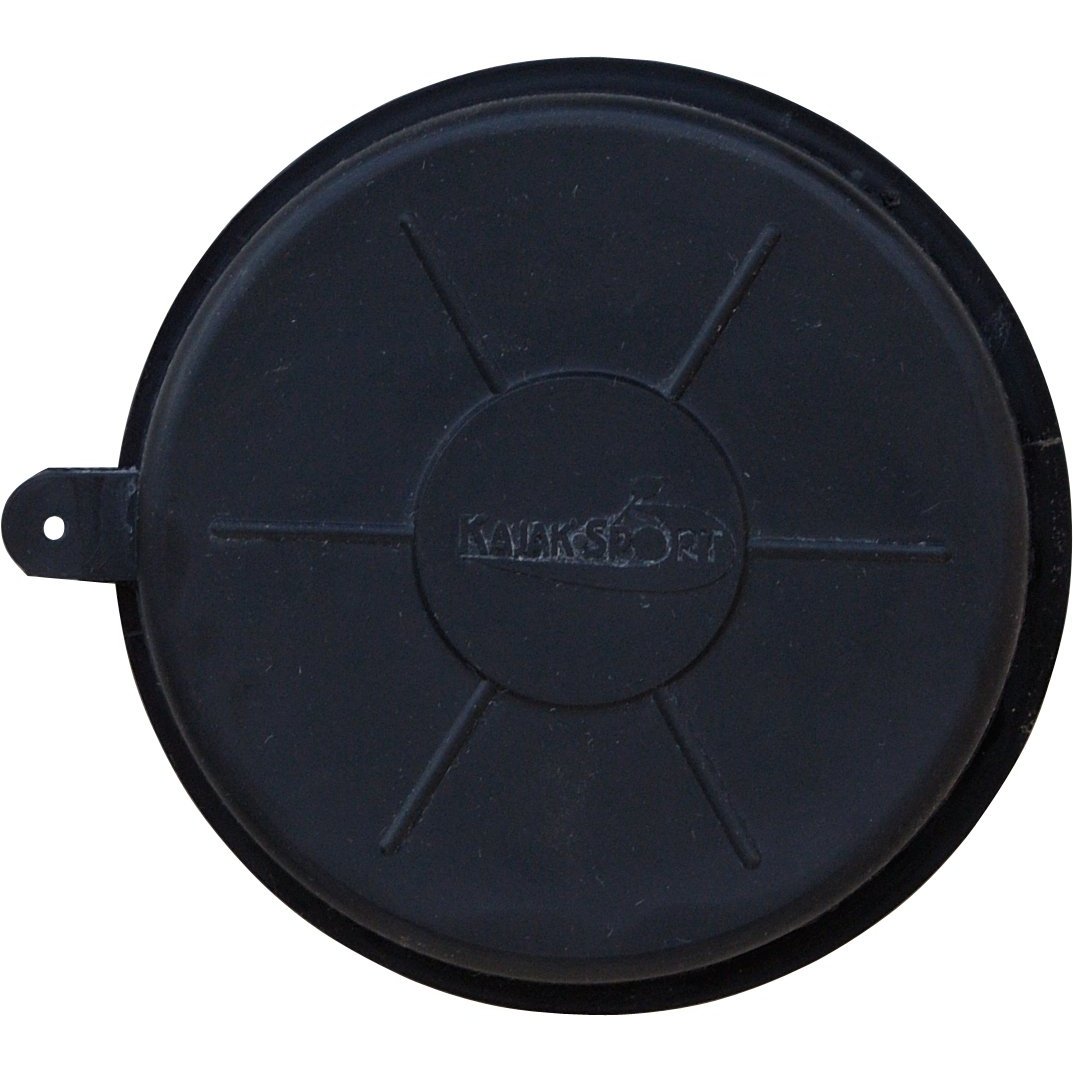
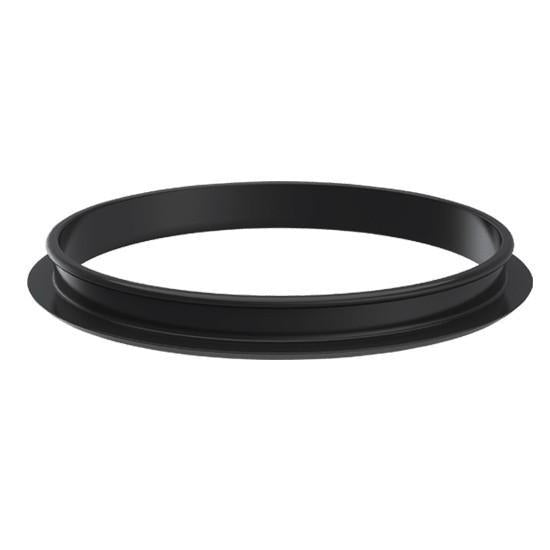
Kajaksport Stauraumdeckel Click-on, RundKajaksport Stauraumdeckel Click-on, Rund
Kajaksport Kajaksport Stauraumdeckel Click-on, Rund
Sonderpreisab €18,95 EUR
Auf Lager
Wähle Deine Optionen
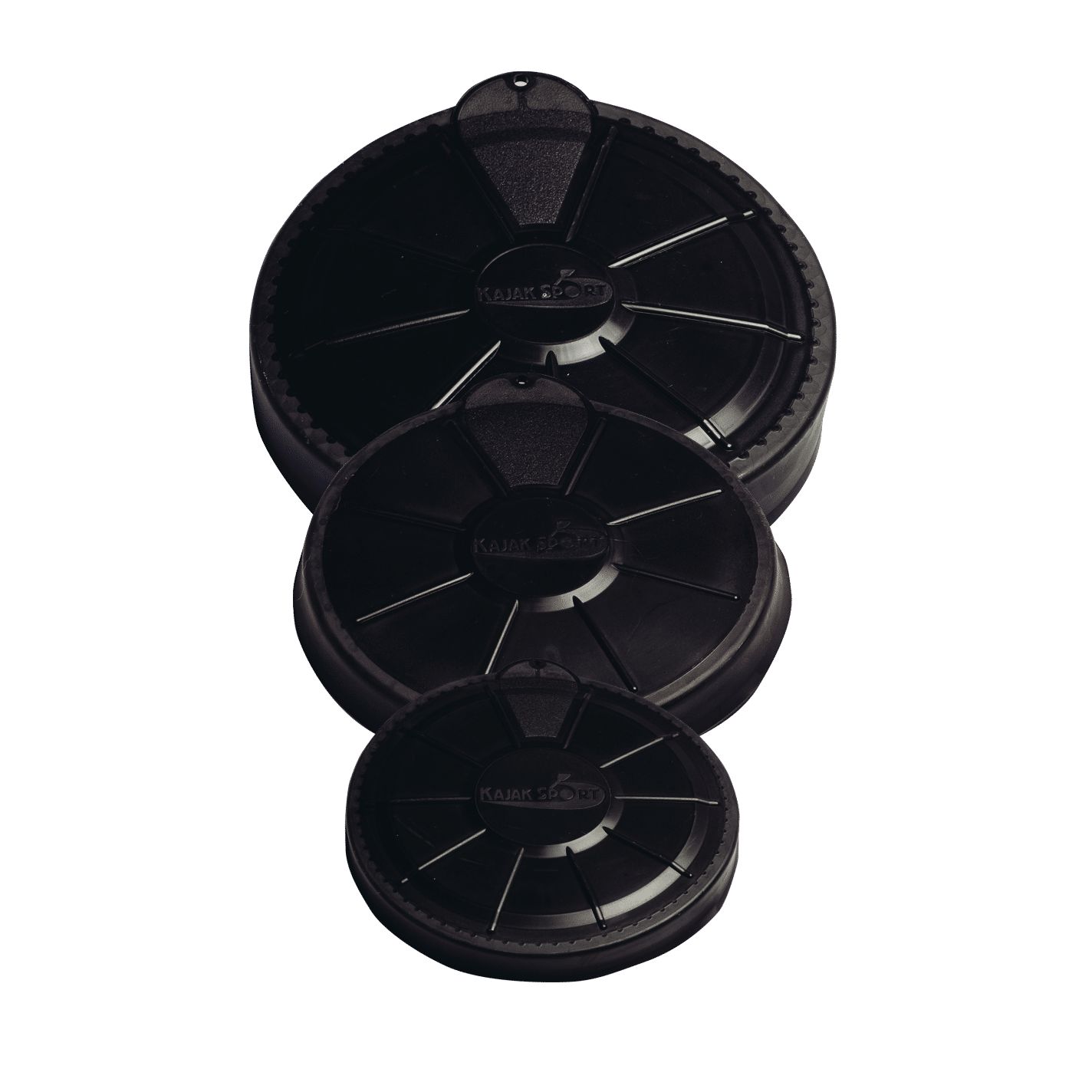
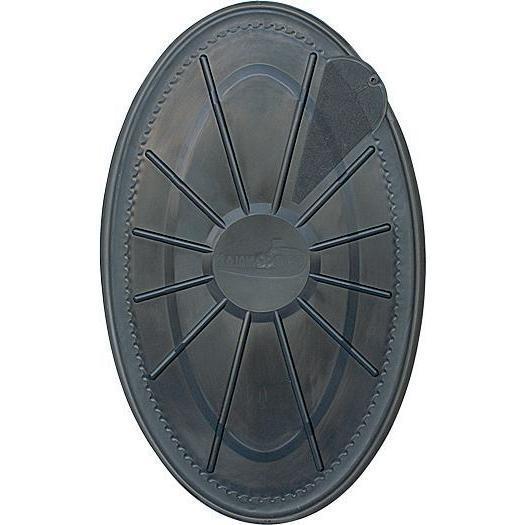
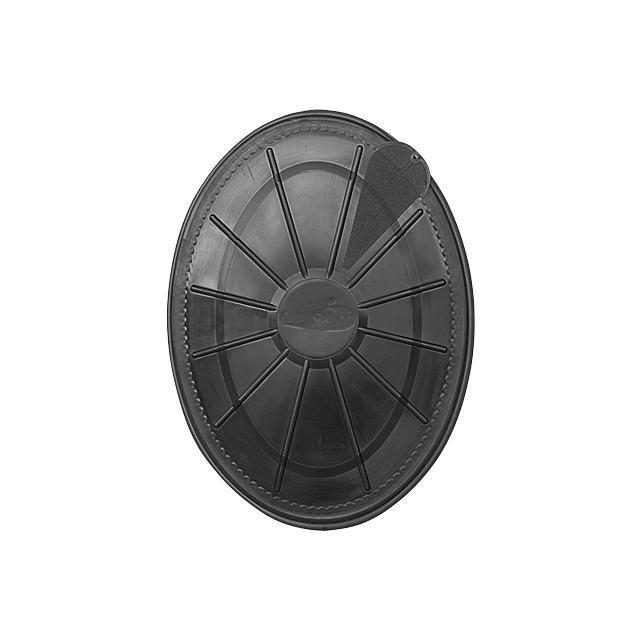
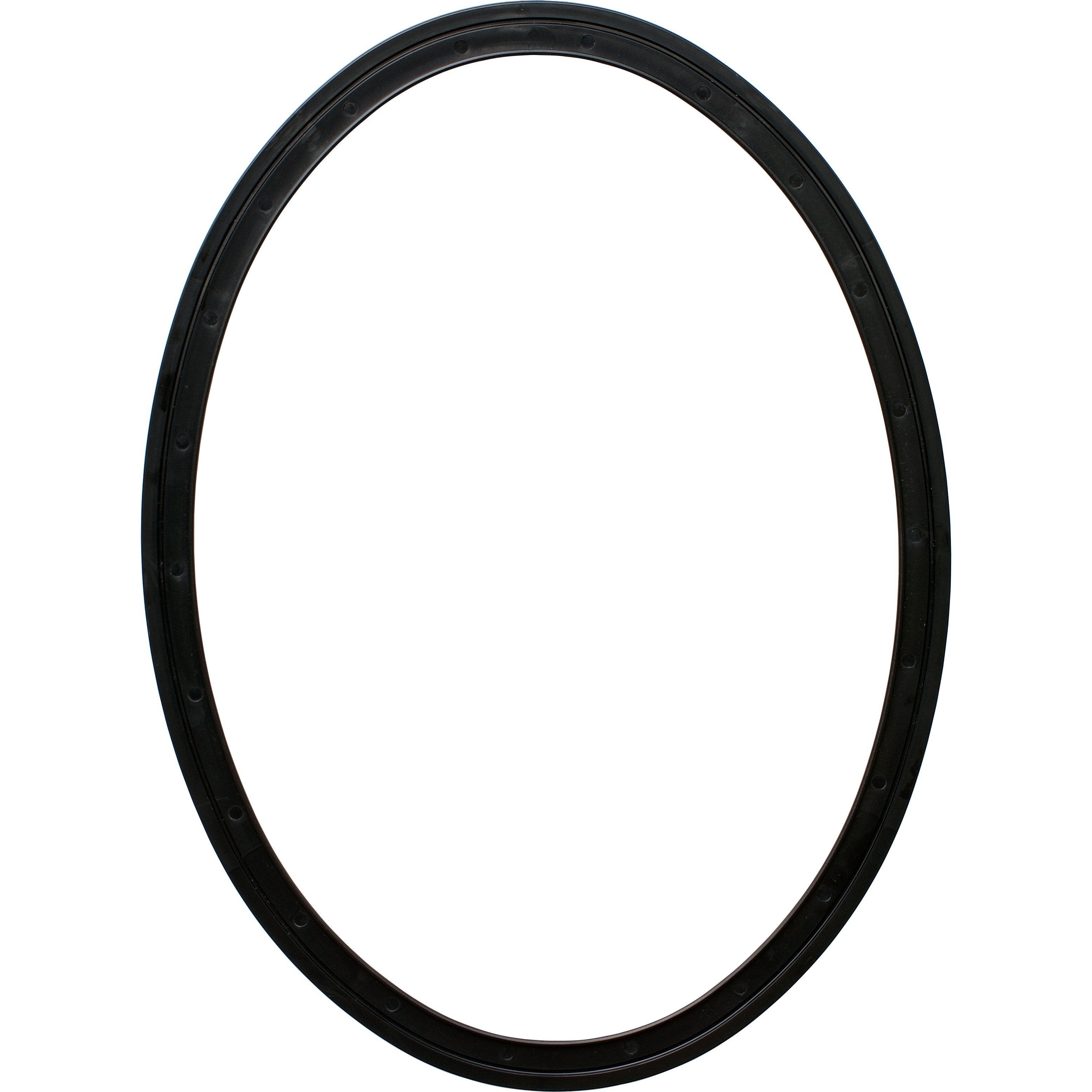
Kajaksport Stauraumdeckel, OvalKajaksport Stauraumdeckel, Oval
Kajaksport Kajaksport Stauraumdeckel, Oval
Sonderpreisab €62,95 EUR
Auf Lager
Wähle Deine Optionen
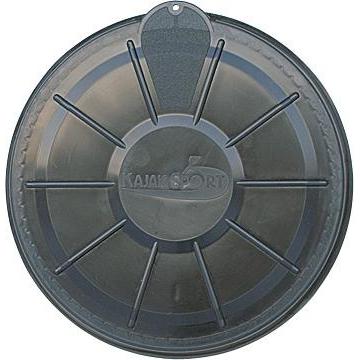
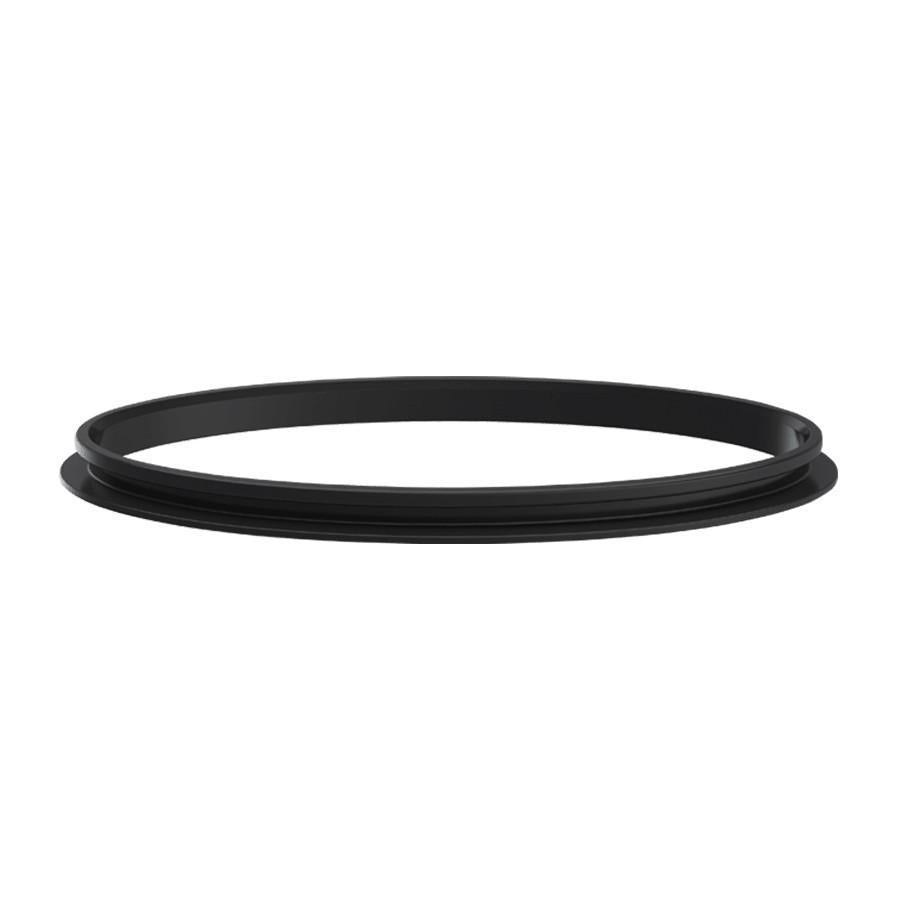
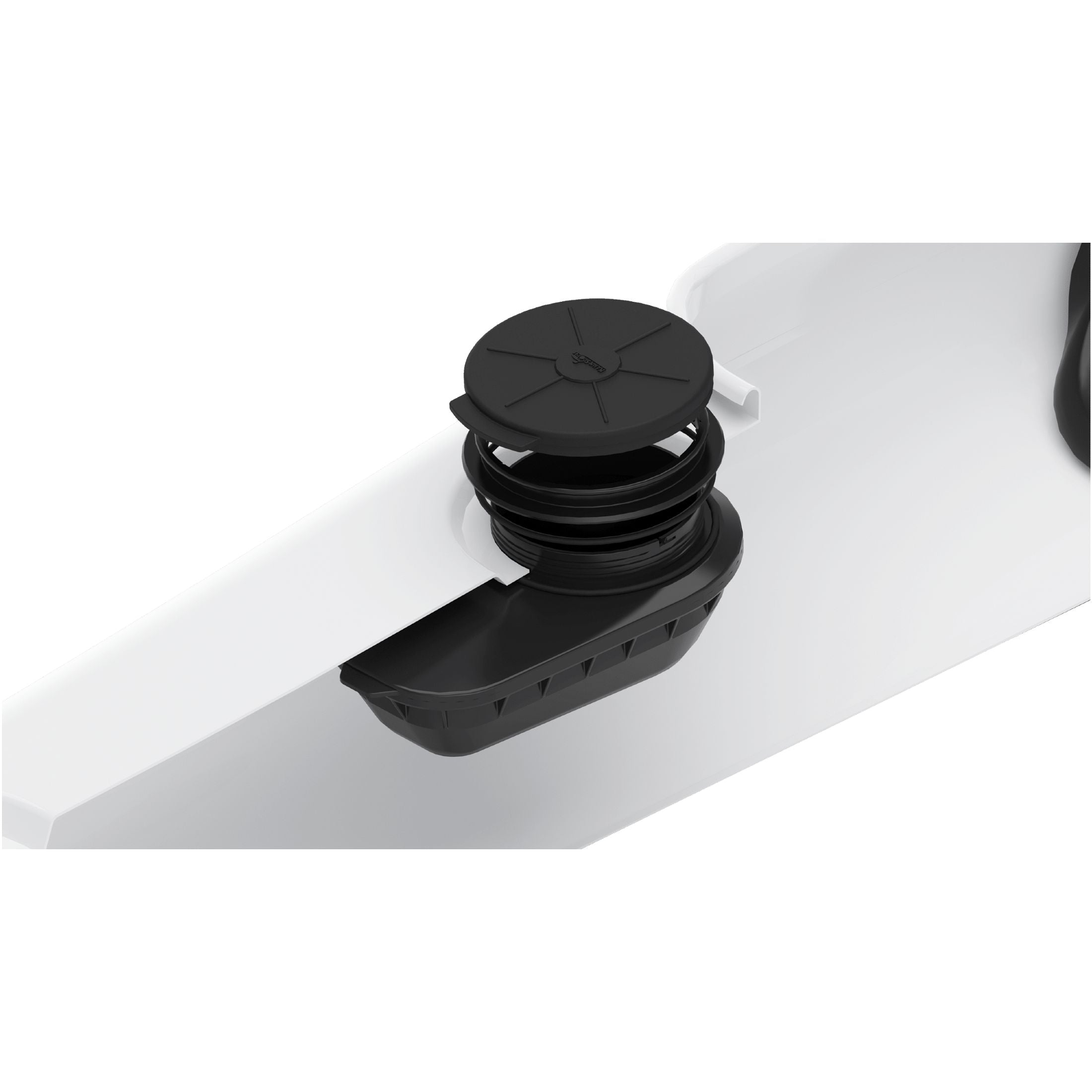
Kajaksport Stauraumdeckel-Süllrand, RundKajaksport Stauraumdeckel-Süllrand, Rund
Kajaksport Kajaksport Stauraumdeckel-Süllrand, Rund
Sonderpreisab €9,95 EUR
Auf Lager
Wähle Deine Optionen
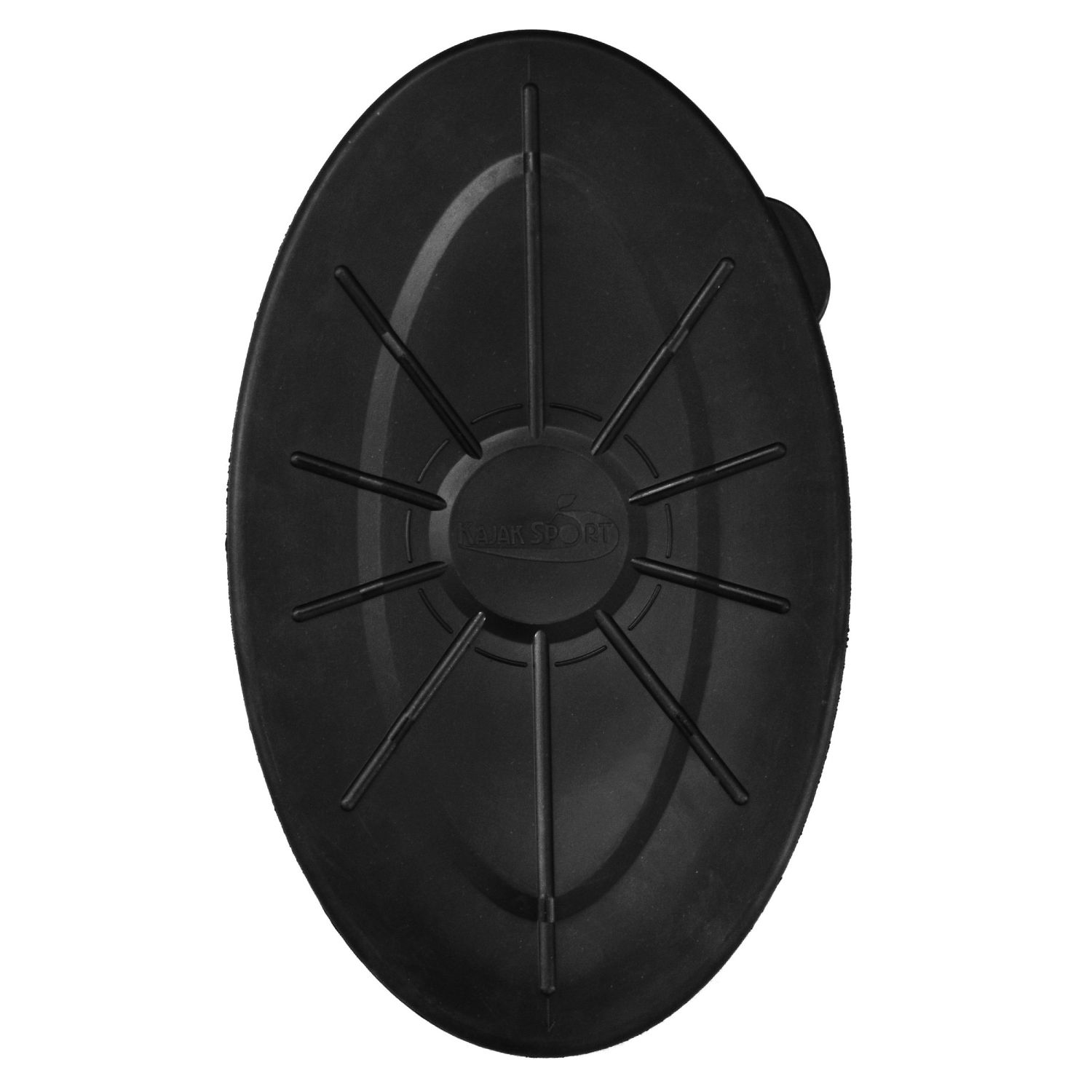
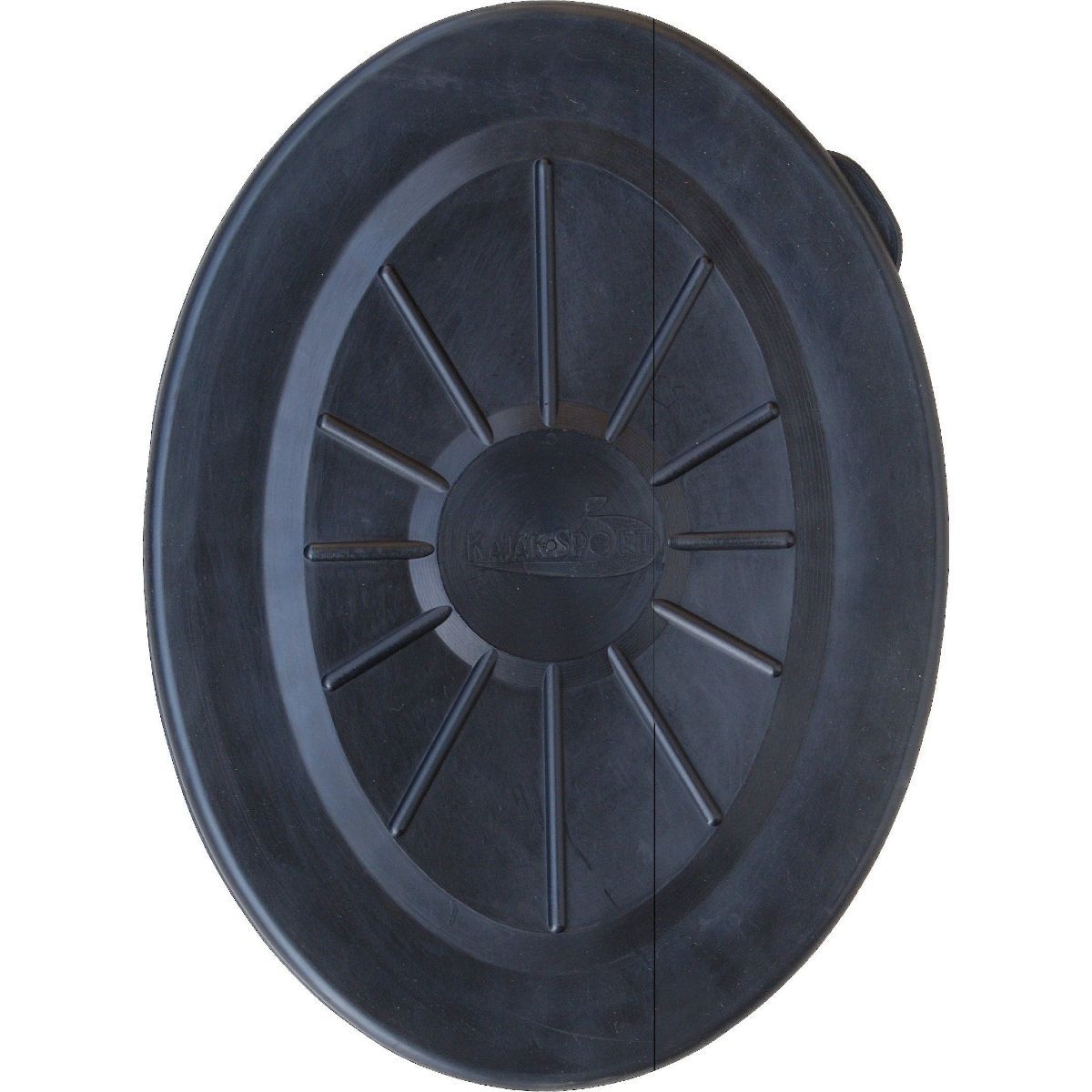
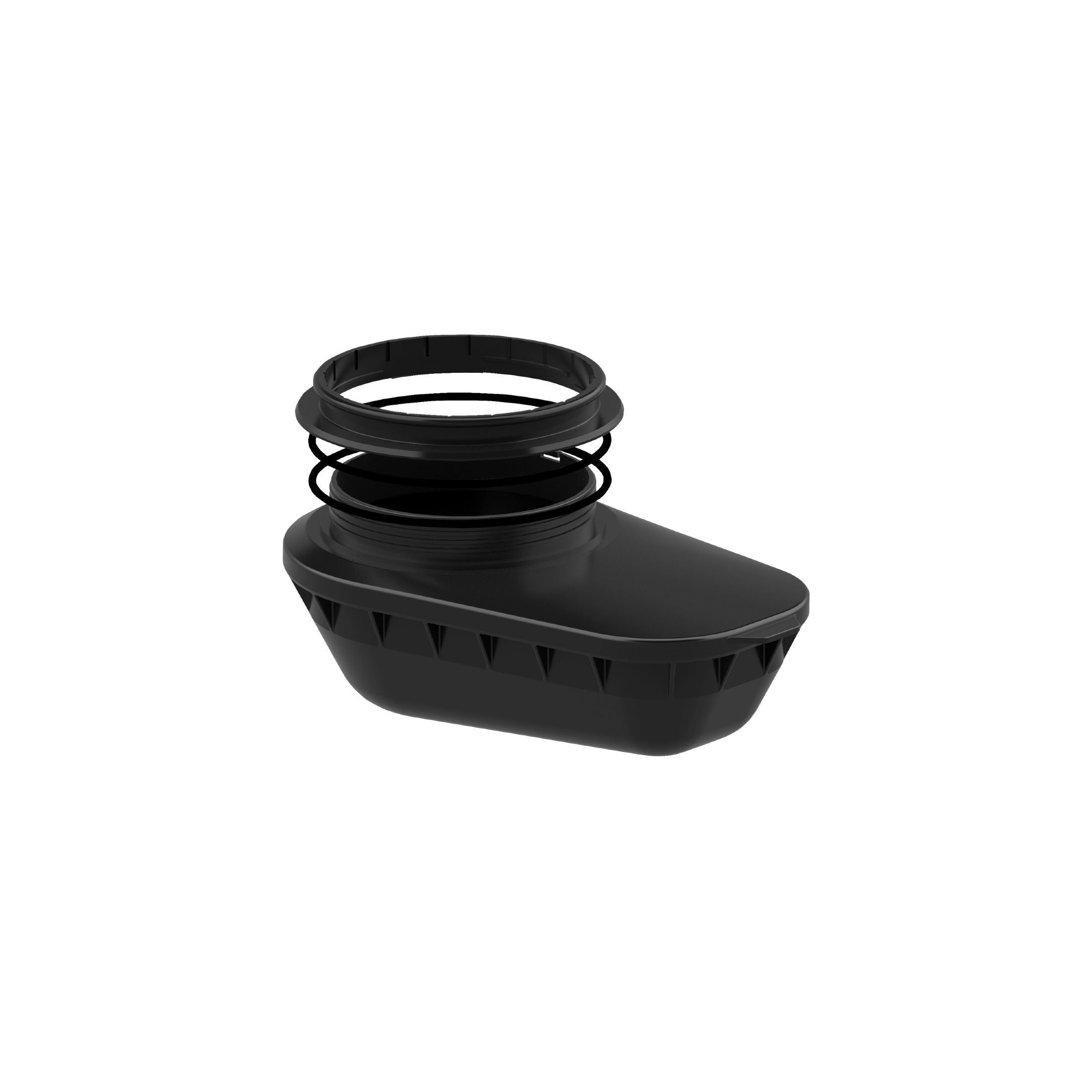
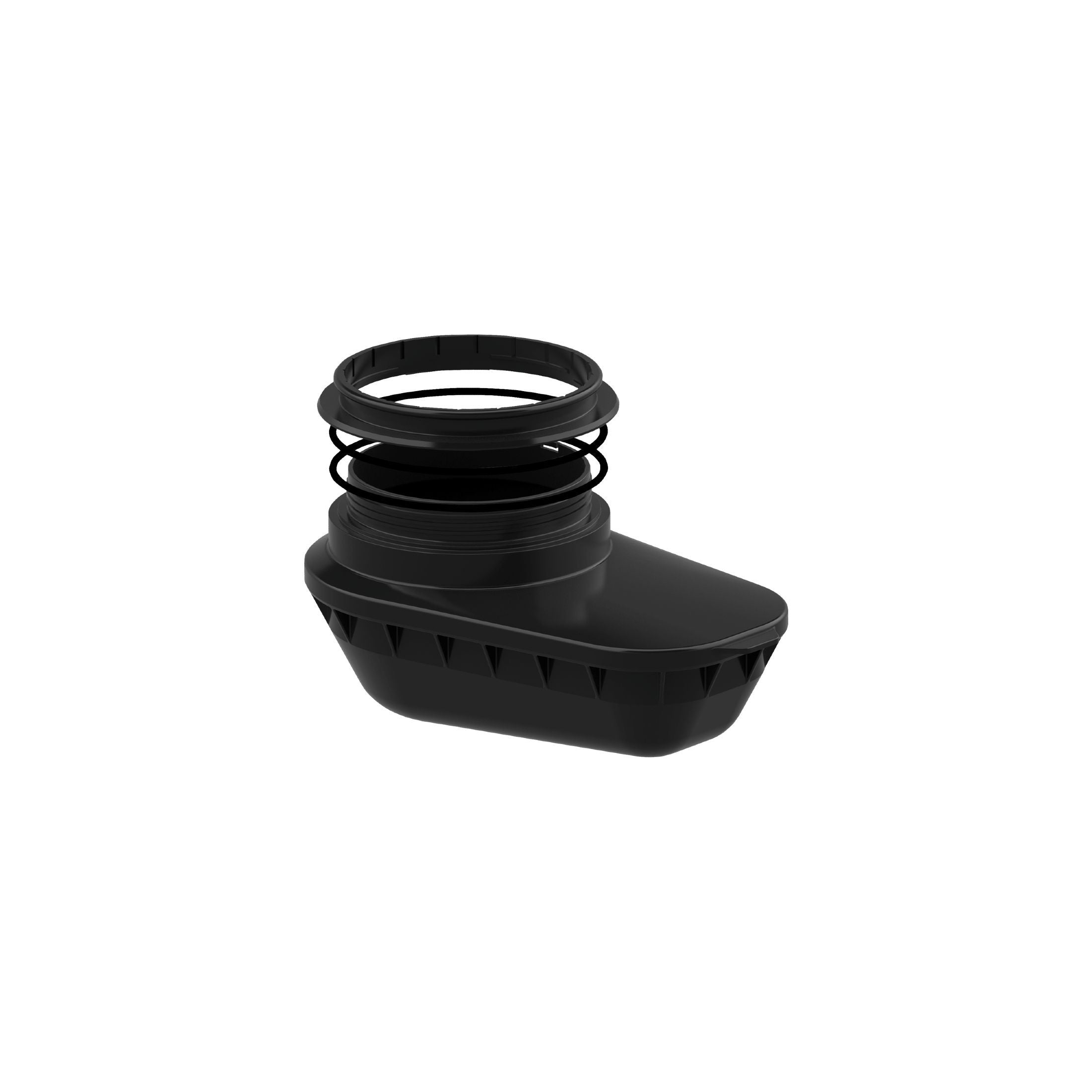
Kajaksport Stauraumdeckel-Süllrand, OvalKajaksport Stauraumdeckel-Süllrand, Oval
Kajaksport Kajaksport Stauraumdeckel-Süllrand, Oval
Sonderpreis€22,95 EUR
Auf Lager
Wähle Deine Optionen
Kajaksport Mini Box, LowKajaksport Mini Box, Low
Kajaksport Kajaksport Mini Box, Low
Sonderpreis€58,95 EUR
Auf Lager
Kajaksport Mini Box, HighKajaksport Mini Box, High
Kajaksport Kajaksport Mini Box, High
Sonderpreis€58,95 EUR
Auf Lager

Über unsere Stauraumdeckel & Süllrandes

Measure the opening on your kayak carefully and match it to the manufacturer’s stated inner diameter for the hatch or cover. Most brands use specific shapes and sizes, so always check the exact model of your kayak rather than guessing by appearance. A proper fit should sit snug without forcing; too loose and it may leak, too tight and it becomes hard to remove on the water. When in doubt, compare the old cover’s markings or measure both the rim and the groove depth to be sure.

A latex seal gives the most secure fit because it grips the skin closely and stays tight even when you’re moving hard or rolling in cold water. It takes a little getting used to, but that snug seal keeps water out more reliably than neoprene. If you paddle in rough conditions or rely on your suit for safety in early spring or late autumn, latex is the option that holds firm when it matters most.

Check your hatch cover the same way you’d check a spray skirt after a long season. Rinse it clean, then flex the rubber gently to feel for stiffness, cracks, or thinning edges. Make sure it seats evenly in the rim without gaps and that the seal feels snug when you press it down. If it pops off too easily or the material has gone hard and chalky, it’s time to replace it.

Rinse the hatch cover with fresh water after paddling and give it a gentle wash with mild soap when salt, sand, or algae start to build up. Avoid solvents or harsh cleaners, as they dry out the rubber and can affect the seal. Let it air‑dry fully before putting it back, and add a light touch of silicone spray now and then to keep the material supple. A clean, flexible hatch cover seals better and lasts longer, especially if you store it out of direct sun.

Store your spare hatch cover clean, dry, and out of direct sunlight. UV and heat slowly harden the rubber, so a cool indoor spot is ideal. Lightly dusting it with unscented talc or silicone spray keeps the material supple, and resting it flat prevents warping. If you know which kayak it belongs to, place it loosely on the rim now and then during winter to make sure it keeps its shape. This way it will seal properly when the paddling season returns.

Older hatches often loosen as rubber ages, so start by cleaning the rim and cover with warm water to remove grit. A light touch of silicone grease on the gasket helps the material stay supple and seat more evenly. If the hatch still feels loose, warming the cover briefly in the sun softens it enough to stretch over the rim for a firmer fit. When the rubber shows cracks or stays deformed, it’s usually time to replace it to keep the kayak watertight and safe.

For long days in cold water, rubber hatches usually serve you best. They seal tightly even when the deck is wet and the temperature drops, and they stay reliable through repeated compression. Hard plastic covers can work, but they’re more sensitive to fit and can stiffen in the cold. If you’re planning multi‑hour crossings or storing extra safety gear, choose a hatch that feels snug when pressed into place and shows no gaps around the rim. A dependable seal keeps your kayak balanced, your gear dry, and your focus on the water ahead.

If your hatch tether is gone, replace it with a thin, durable cord that matches the original length so the lid can move freely without pulling tight. Remove the old knot or fitting, thread the new cord through the attachment point on the hatch and the deck fitting, and tie secure, low-profile knots that won’t snag. It’s worth checking the seal while you’re there; a clean rim and properly seated hatch keep water out. A simple cord change is quick, and it helps ensure you don’t lose the lid on rough landings or windy days.

Before you pack the boat, press each hatch firmly into place and check the seal for grit or twisted edges. Then pour a little water over the closed rim and look inside the compartment for any sign of seepage. If you prefer, you can also sit the kayak on dry ground, load the compartment with a bit of weight, and gently flex the hull to see if the seal holds. If anything feels loose or you notice moisture, clean the rim and reseat the cover until it closes smoothly and evenly.

Some kayaks use specific hatch shapes because the opening is designed around the boat’s structure and how it needs to shed water. A round, oval, or custom shape keeps the deck stiff, seals more reliably, and matches the storage space inside. Using the right shape ensures the lid seats properly and stays watertight in waves or during rescues. A mismatched hatch might fit loosely, let in water, or pop off under pressure, so it’s always worth choosing the one made for your kayak’s exact rim.

Versand, Rückgabe & Support

Die meisten Bestellungen treffen innerhalb von 2–5 Werktagen ein, je nach Ihrem Standort. Sobald Ihre Bestellung versendet wurde, erhalten Sie einen Tracking-Link per E-Mail.

Wir arbeiten mit zuverlässigen Versandpartnern wie DHL, UPS, Bring und Posti zusammen, um eine sichere und schnelle Lieferung in ganz Europa zu gewährleisten.

Sie können Ihre Bestellung innerhalb von 30 Tagen nach Erhalt zurücksenden. Die Artikel müssen unbenutzt und in der Originalverpackung sein. Hier finden Sie unsere vollständigen Rückgabebedingungen.

Nein — alle Bestellungen innerhalb der EU werden aus unserem Lager in Schweden oder Deutschland versendet. Für Ihre Bestellung fallen keine zusätzlichen Steuern oder Gebühren an.

Sie erreichen uns jederzeit unter info@paddlespot.eu oder telefonisch unter +45 32 67 09 40. Wir helfen Ihnen gerne mit Produktempfehlungen, Versandinformationen oder Rücksendungen weiter.

Ja — alle Artikel, die als „Auf Lager“ gekennzeichnet sind, sind verfügbar und versandbereit. Wenn ein Produkt ausverkauft ist, können Sie sich benachrichtigen lassen, sobald es wieder erhältlich ist.

Kundensupport

+45 32 67 09 40

Nachricht senden

info@paddlespot.de